

A forecast dip into the low 30s can make a whole yard feel fragile. The reality is more manageable than that. Late frost rarely threatens every plant equally, and the best protection steps are usually basic, repeatable, and worth doing before sunset instead of at midnight.
First decide what actually needs help
Tender annuals, fresh vegetable transplants, citrus in marginal climates, and new spring growth are the first priorities. Established shrubs, cool-season greens, dormant perennials, and most mature trees often need far less intervention.
If you have thirty minutes before dark, protect these first:
- Tomatoes, peppers, basil, and other warm-season starts.
- Newly planted tropical or subtropical ornamentals.
- Fruit tree blossoms or soft new growth that has already pushed early.
- Container plants, which lose heat faster than in-ground beds.
That triage mindset prevents wasted effort and keeps you focused on the plants most likely to suffer.
Use covers that trap ground heat
University extension guidance routinely points gardeners toward lightweight row cover, frost cloth, sheets, or temporary covers that hold in heat from the soil. The concept matters more than the brand name. You want a breathable layer that drapes over the plant or over supports and reaches the ground.
The quick rules:
- Cover before temperatures crash, not after the frost is already set.
- Anchor the edges so heat does not escape.
- Remove or vent the cover the next day once conditions warm.
- Keep plastic off foliage unless you have a support frame.
For individual plants, a bucket, cardboard box, or storage tote can work for one cold night if it is large enough not to crush the top growth.
Watering can help, but timing matters
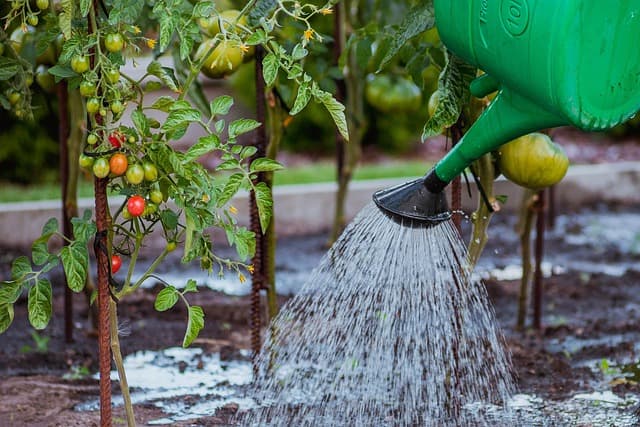
Moist soil generally holds heat better than dry soil, so watering earlier in the day can help the root zone retain warmth. The important distinction is that you are watering the soil, not soaking foliage at dusk.
If the bed is already damp, skip the extra step. If the soil is dry and the forecast worries you, a steady afternoon watering is more useful than a late-evening scramble with a hose.
Pay attention to the microclimates you already have
Backyards are not uniform. South-facing walls, paved areas, fences, and corners with reflected warmth can all run slightly different from the open center of the lawn. That means a plant beside masonry may sail through a cool night while the same plant on an exposed patio struggles.
Use frost nights to learn your yard:
Keep reading — start your 7-day free trial.
Premium members read every article in full, save reading lists and project plans, and use the Backyard Project Planner with custom budgets, printable summaries, and shopping lists. Cancel any time during the trial and you pay nothing.
- Finish this article and every other guide in the library
- Save articles and project plans to your account
- Use the full Backyard Project Planner with exact budgets, printable plans, and shopping lists
- Cancel in two clicks — no charge during the trial


No comments yet. Be the first reader to add context, ask a question, or share what happened in your yard.