
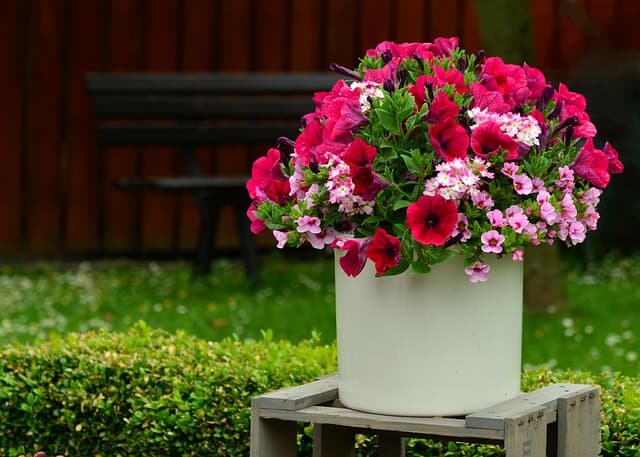
Deadheading is one of those gardening habits that sounds fussier than it is. For many plants, removing the spent blooms genuinely changes how the rest of the season looks. For others, it does nothing or actively takes away something valuable, like seed heads for winter interest or food for birds.
Knowing which plants fall into which category saves time and keeps beds looking their best.
What deadheading actually does
When a flower finishes blooming, the plant begins shifting energy toward seed production. For some species, that shift also tells the plant its job is done for the season, and new flower buds slow down or stop.
Removing spent flowers before seed sets can nudge the plant back toward making more blooms. That is why deadheading often extends the flowering window for annuals and some perennials.
It also keeps beds looking tidy. A plant covered in brown, faded blooms reads as tired even when the foliage is still healthy.
Plants that reward consistent deadheading
A few flowering plants clearly respond to regular removal of spent blooms:
- Many annuals like petunias, marigolds, zinnias, and cosmos.
- Repeat-blooming roses.
- Dahlias.
- Scabiosa.
- Coreopsis.
- Salvias, especially many hybrids.
With these, a weekly pass through the bed during peak season can visibly extend flowering.
Plants that do not need it
Some flowers are self-cleaning, meaning the plant drops spent blooms on its own and continues to look tidy without intervention. Common examples include:
- Impatiens.
- Many begonias.
- Calibrachoa.
- Lantana.
- New Guinea impatiens.
Trying to deadhead these usually does not hurt the plant, but it is mostly extra work with little visual return.
Plants where you may want to leave the seed heads
Some plants are more valuable after the flowers finish than during bloom, and deadheading them aggressively removes something you might want to keep.
Good examples include:
- Coneflowers, which hold seeds that finches and other birds eat into winter.
- Rudbeckia, with dark seed heads that add structure to fall and winter beds.
- Sedums, which dry into handsome rust-colored clusters.
- Ornamental grasses, whose plumes read as important late-season texture.
- Many natives that support birds through the colder months.
Keep reading — start your 7-day free trial.
Premium members read every article in full, save reading lists and project plans, and use the Backyard Project Planner with custom budgets, printable summaries, and shopping lists. Cancel any time during the trial and you pay nothing.
- Finish this article and every other guide in the library
- Save articles and project plans to your account
- Use the full Backyard Project Planner with exact budgets, printable plans, and shopping lists
- Cancel in two clicks — no charge during the trial
No comments yet. Be the first reader to add context, ask a question, or share what happened in your yard.