
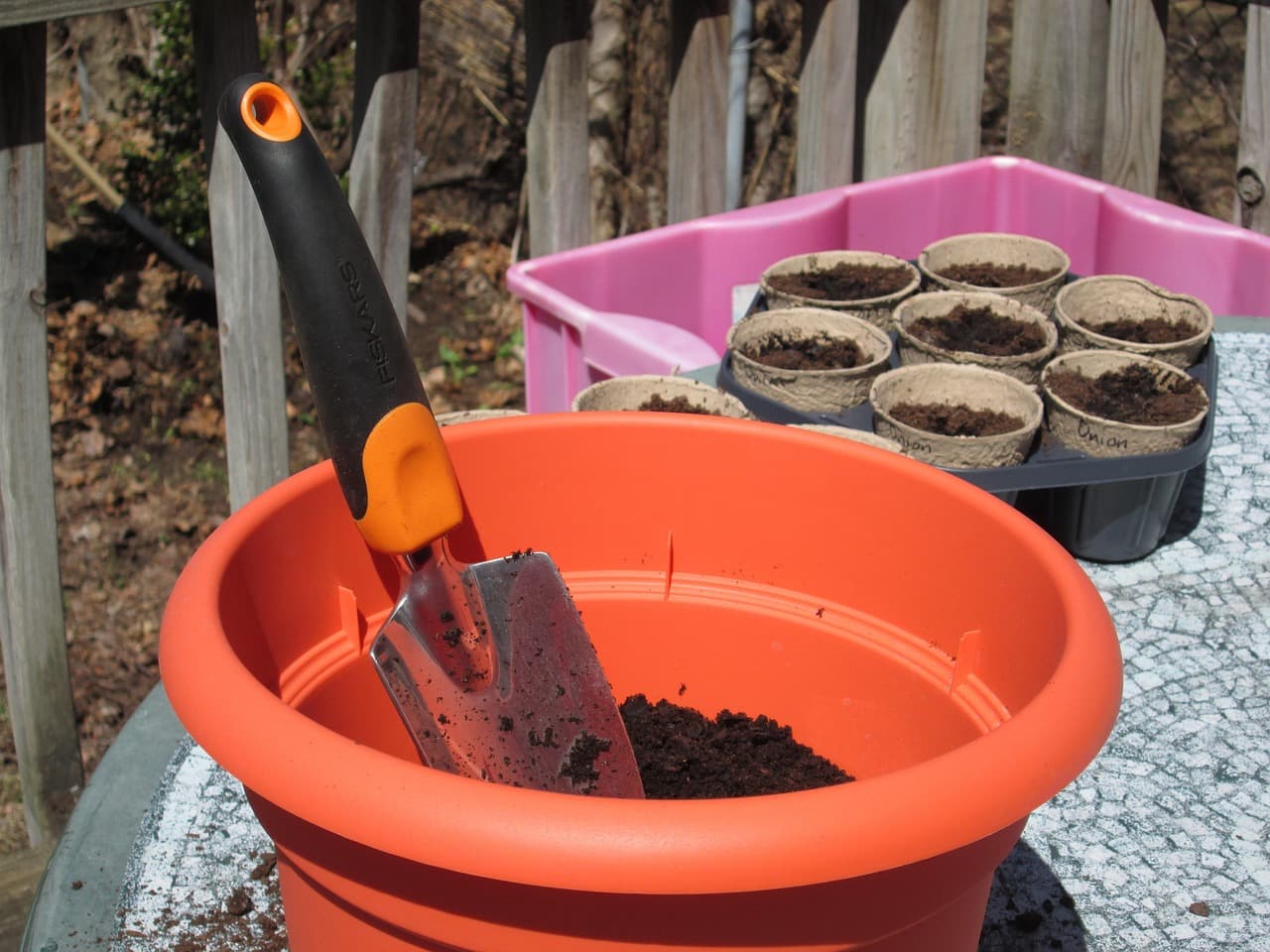
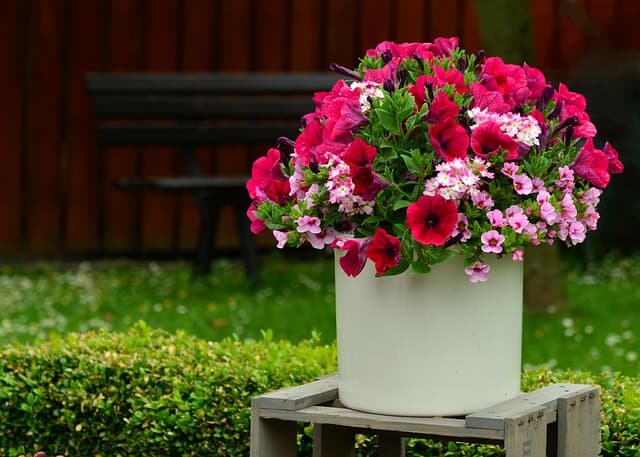
Most container displays look best around mid-June. By late July, many of them have collapsed into leggy stems, faded blooms, and crisped edges. It is one of the most common frustrations homeowners have with pots: the first photo is glorious, the one from six weeks later is embarrassing.
A combination of smart plant choice, honest pot size, and a short weekly rhythm keeps containers looking polished well into late summer.
Bigger pots almost always outperform smaller ones
The single biggest predictor of whether a container holds up in heat is its volume. Small pots heat up fast, dry out fast, and stress plants every sunny afternoon.
A few practical guides:
- Favor pots at least 14 to 18 inches across for sunny porches.
- Lighter-colored pots in full sun reflect heat, which reduces root stress.
- Group small pots together so they shade each other and retain moisture longer.
If one thing is going to change your summer container results, it is using fewer, larger pots instead of many small ones.
Pick plants that expect heat
Heat-tolerant plants look the same in July as they did in June. Heat-stressed plants look dramatically worse with every passing week.
Varieties that generally hold up well include:
- Lantana.
- Angelonia.
- Pentas.
- Sweet potato vine.
- Vinca major and minor.
- Coleus.
- Salvia hybrids bred for summer performance.
- Portulaca for the driest, sunniest spots.
These are not the only options, but they illustrate the pattern: plants that evolved for heat, sun, and dry spells will quietly outlast cool-season favorites like pansies, sweet peas, and classic impatiens.
Build with a clear role for each plant
The classic thriller, filler, spiller formula is a cliché, but it works. Each pot needs:
- One bold upright focal plant (thriller).
- A mid-height mounding plant to fill space (filler).
- Something that cascades over the rim (spiller).
When a container feels off, it is almost always because one of those three roles is missing or competing with another. Even a small pot with only two plants looks more composed when each of them has an obvious role.
Keep color palettes simple
Pots with too many colors tend to read as busy rather than lively. A safer starting point is a palette built around:
Keep reading — start your 7-day free trial.
Premium members read every article in full, save reading lists and project plans, and use the Backyard Project Planner with custom budgets, printable summaries, and shopping lists. Cancel any time during the trial and you pay nothing.
- Finish this article and every other guide in the library
- Save articles and project plans to your account
- Use the full Backyard Project Planner with exact budgets, printable plans, and shopping lists
- Cancel in two clicks — no charge during the trial
No comments yet. Be the first reader to add context, ask a question, or share what happened in your yard.