
Some parts of a yard will not support a healthy lawn, no matter how much seed you throw at them. That is not a failure on your part. It is a species mismatch. Most common lawn grasses evolved in open grasslands, which means full sun and good airflow. Asking them to perform under a maple canopy or along the shady north side of a house is asking them to do something they are not designed for.
The more useful move in those spots is usually to pick a different plant.
First, diagnose how much shade you actually have
Not all shade is the same.
A few general categories:
- Dappled or part shade: a few hours of direct sun plus filtered light.
- Full shade: no direct sun but reasonable ambient light.
- Deep shade: minimal ambient light, often under dense conifers.
Many groundcovers tolerate part shade well. Fewer do well in full shade. Very few thrive in deep shade. Knowing which category you have changes the plant list considerably.
A few reliable groundcovers for shaded yards
The goal here is reliability and adaptability, not rarities.
Some widely used options include:
- Pachysandra, for consistent evergreen coverage under trees in cooler zones. Note that the common pachysandra sold at nurseries is a non-native species widely used in the US, and some homeowners prefer native alternatives.
- Native sedges, such as Pennsylvania sedge, which look like a fine-textured lawn-adjacent carpet and hold up to part-shade conditions.
- Sweet woodruff, which spreads into soft, low colonies in cooler shade.
- Hellebores, which are not a lawn replacement but fill shaded planting beds dramatically well.
- Hostas, especially in mid to larger sizes, which fill visual space fast in dry or moist shade.
- Foamflower, a reliable native for eastern shade gardens.
Different species fit different regions and moisture conditions, so checking a local native plant society or extension recommendation list is worth doing before buying in volume.
Native options tend to work better in the long run
Shady areas often sit under trees, which means soil conditions shift based on what the tree prefers. Natives that evolved alongside those trees tend to integrate better than imports.
In the eastern US, native candidates include:
- Green and gold.
- Wild ginger, for deep shade in moist woodland conditions.
- Christmas fern, where you want a taller evergreen texture.
- Allegheny pachysandra, a native alternative to the more common pachysandra.
In the Pacific Northwest, salal, sword fern, and other native forest-floor plants do the same job under regional conifers. The underlying principle is that native shade plants have already solved the exact problem your lawn is failing.
Be skeptical of aggressive exotics
Some non-native groundcovers spread enthusiastically. A few are considered invasive or problematic in specific regions.
Examples worth caution:
- English ivy, which is considered invasive in several US regions.
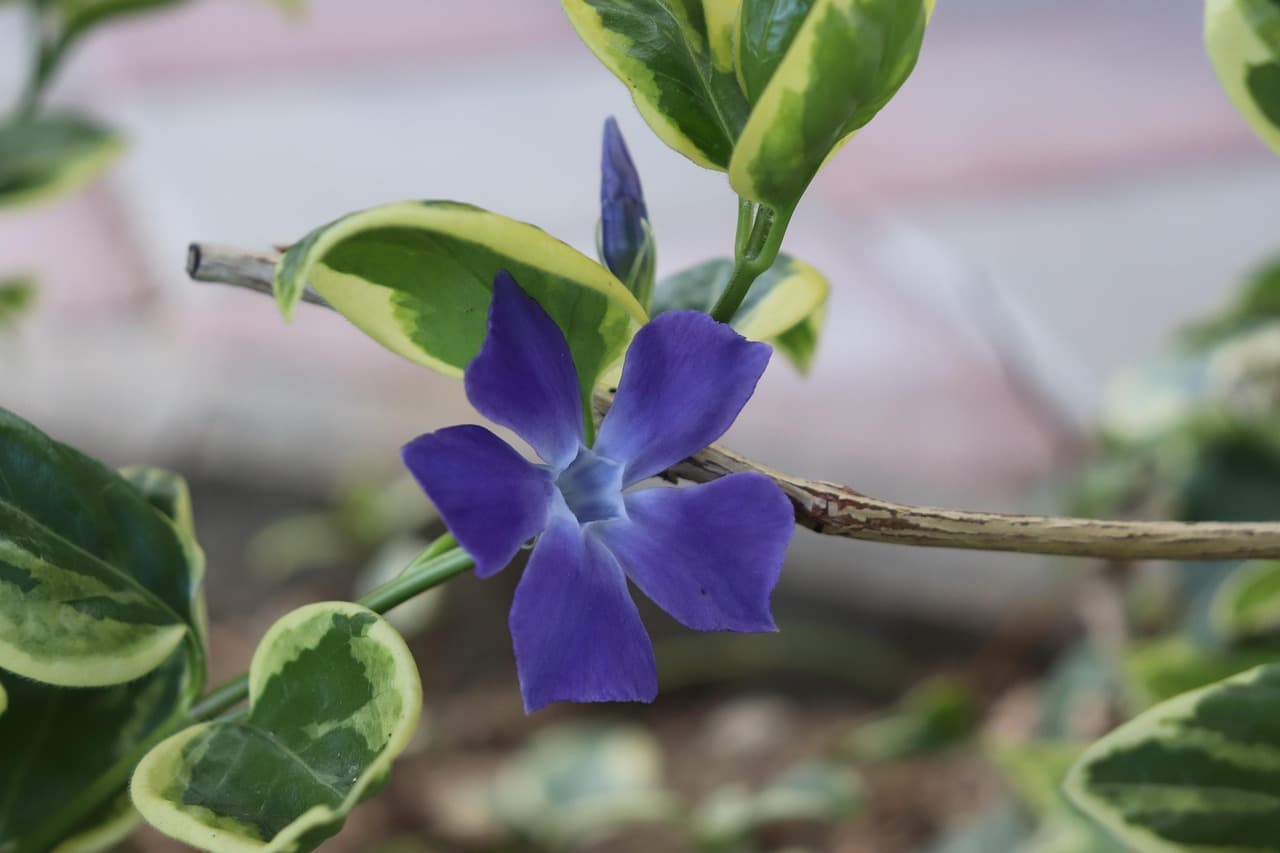
- Vinca minor, which can escape into natural areas in some climates.
- Japanese pachysandra in sensitive woodland settings.
Keep reading — start your 7-day free trial.
Premium members read every article in full, save reading lists and project plans, and use the Backyard Project Planner with custom budgets, printable summaries, and shopping lists. Cancel any time during the trial and you pay nothing.
- Finish this article and every other guide in the library
- Save articles and project plans to your account
- Use the full Backyard Project Planner with exact budgets, printable plans, and shopping lists
- Cancel in two clicks — no charge during the trial
No comments yet. Be the first reader to add context, ask a question, or share what happened in your yard.