
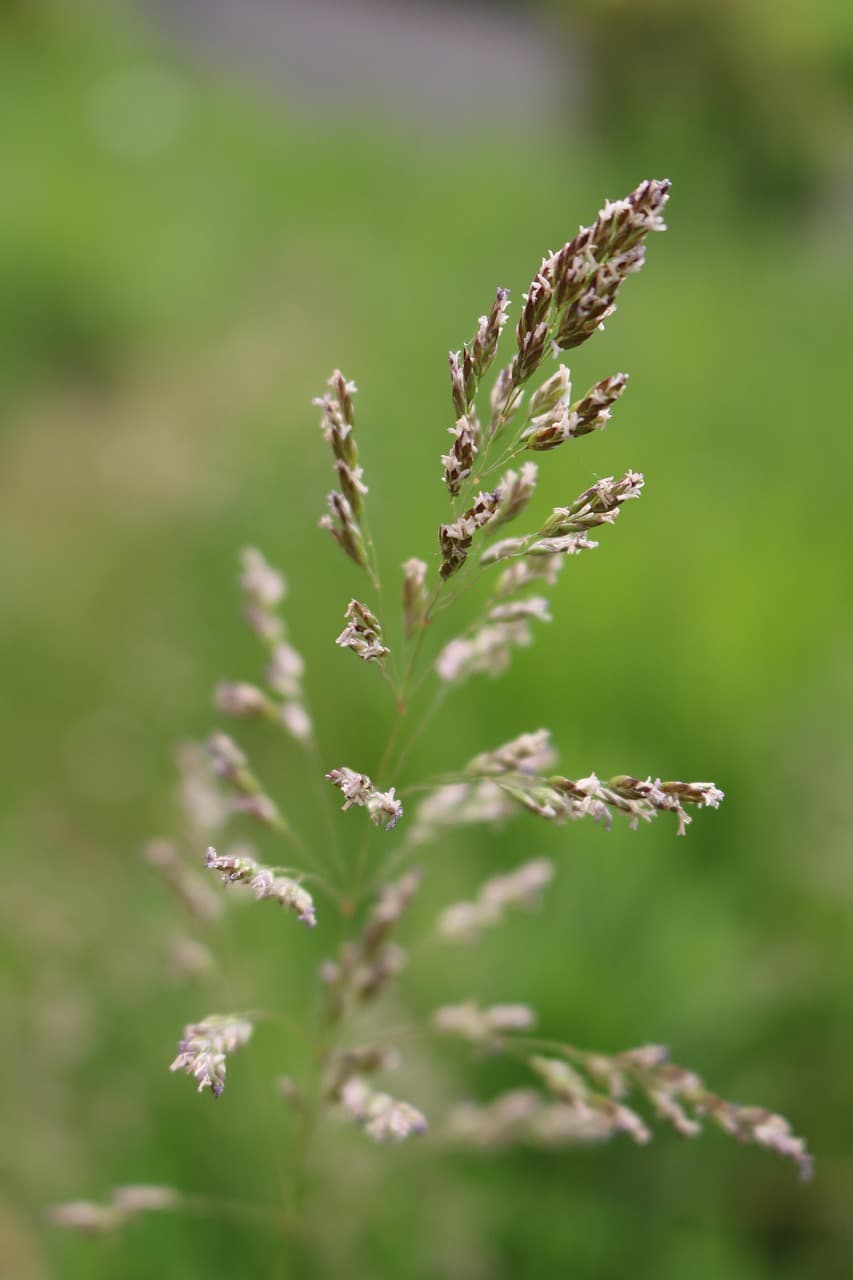
Overseeding is one of those lawn jobs that works really well in some situations and barely moves the needle in others. Knowing the difference is what separates a lawn that thickens visibly and a bag of seed that quietly disappears into mediocre soil.
For cool-season lawns especially, a well-timed overseeding can meaningfully improve density and reduce weed pressure. For other situations, the honest answer is that different work is needed first.
What overseeding actually does
Overseeding is spreading new seed over an existing lawn to increase density and introduce newer or different grass varieties into the stand.
Reasonable expectations:
- Thicker turf where the lawn has thinned but is not bare.
- Improved appearance over a season or two.
- Introduction of newer varieties with better disease or heat resistance.
Unreasonable expectations:
- Overseeding a scalped, compacted, bone-dry lawn and getting a lush result.
- Converting a lawn from one grass type to a completely different type without bigger work.
- Fixing areas that are bare due to site problems, not turf problems.
Matching expectations to the situation saves a lot of disappointment.
Timing is more than half the work
For cool-season lawns, late summer into early fall is by far the best overseeding window in most regions. Soil is warm, days are shortening, and the new seedlings have time to establish before winter without fighting summer heat.
Spring overseeding is possible for cool-season lawns but tends to underperform. Seedlings have to compete with weeds, face heat earlier than they are ready, and often get outpaced by established turf already taking up resources.
Warm-season grasses, like Bermuda, are typically not overseeded for long-term establishment because warm-season turf thickens primarily through stolons and rhizomes. In some southern climates, winter overseeding with ryegrass is used as a temporary green cover, which is a different goal than thickening the base lawn.
Prep is where most overseeding wins or loses
Seed needs contact with soil to germinate. Scattering seed over thatch, a dense mat, or hard soil usually results in most of the seed failing to establish.
Useful prep steps for a meaningful overseeding:
- Mow the existing lawn shorter than usual before seeding to open the canopy.
- Core aerate to reduce compaction and create openings where seed can settle.
- Remove excessive thatch if it is genuinely over half an inch thick.
- Rake debris lightly so seed has a place to fall into.
Prep like this does not have to be dramatic. A single aeration pass plus a short mowing pass is usually enough for most home lawns with moderate compaction.
Seed choice matters, and cheap is not always cheap
A lawn is only as good as the seed in it. Cheap seed often contains:
- Higher weed seed percentages.
- Varieties bred for quick germination but poor long-term performance.
- Mismatched blends for your climate zone.
Spending a little more on a reputable blend selected for your region usually pays back over years. Read the label. Look at the purity percentage, the weed seed percentage, and the varieties listed. Skip anything with significant annual ryegrass if you want a long-term stand.
Keep reading — start your 7-day free trial.
Premium members read every article in full, save reading lists and project plans, and use the Backyard Project Planner with custom budgets, printable summaries, and shopping lists. Cancel any time during the trial and you pay nothing.
- Finish this article and every other guide in the library
- Save articles and project plans to your account
- Use the full Backyard Project Planner with exact budgets, printable plans, and shopping lists
- Cancel in two clicks — no charge during the trial
No comments yet. Be the first reader to add context, ask a question, or share what happened in your yard.