
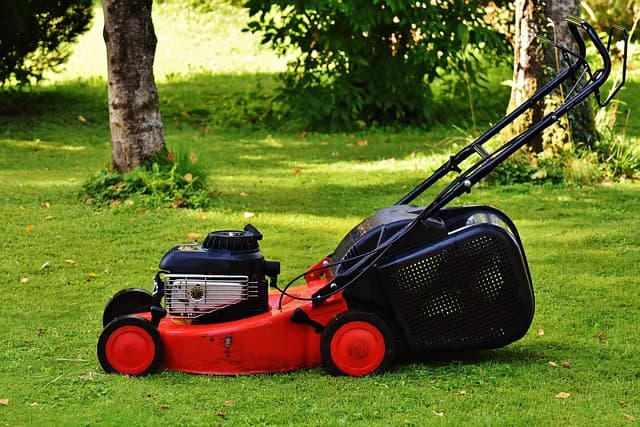
The reflex is understandable. A fresh, short cut feels like a job well done. The lawn looks tidy and the mowing chore is set aside for another week or two.
The problem is that the lawn almost never actually looks better for a very short cut. It usually looks thinner, more yellow at the tips, and more prone to weeds within a few days. Over a full season, scalping a lawn is one of the most effective ways to make it worse.
Grass photosynthesizes with its leaves
This is the core reason mowing height matters. Grass blades are the plant's food factory. Cut them too short and the plant has less working surface to fuel root growth, recovery, and color.
A lawn kept at a sensible height:
- Builds deeper roots.
- Shades its own soil, reducing water loss.
- Crowds out many weeds before they can establish.
- Stays greener through heat and dry stretches.
A lawn kept too short does the opposite of all of those.
Honest height ranges by grass type
Different grasses have different preferences, but most home lawns fall into one of two families.
Cool-season grasses, common in the northern and transition zones:
- Kentucky bluegrass, fescues, and ryegrass generally do well in a maintained height around three to four inches.
- They can go a little shorter in spring and fall, but three inches and above is safer in summer heat.
Warm-season grasses, common in the South:
- Bermuda, zoysia, St. Augustine, and centipede each have their own preferred ranges.
- Most home lawns do well in the one-and-a-half to three-inch range, depending on species.
- Check specifically against your grass type rather than using northern guidance.
The consistent theme across both families is that the common instinct to mow very short works against the lawn.
The one-third rule is worth keeping
A long-standing guideline is to remove no more than one-third of the grass blade in a single mowing. Cutting more than that at once stresses the plant and exposes lower, yellower parts of the blade.
In practice:
- If your target height is three and a half inches, mow when the lawn reaches around five inches.
- If you missed a cycle and the lawn is much taller, reduce the height gradually across two mowings rather than chopping it short in one pass.
- Keep blades sharp so cuts are clean.
Keep reading — start your 7-day free trial.
Premium members read every article in full, save reading lists and project plans, and use the Backyard Project Planner with custom budgets, printable summaries, and shopping lists. Cancel any time during the trial and you pay nothing.
- Finish this article and every other guide in the library
- Save articles and project plans to your account
- Use the full Backyard Project Planner with exact budgets, printable plans, and shopping lists
- Cancel in two clicks — no charge during the trial

No comments yet. Be the first reader to add context, ask a question, or share what happened in your yard.