
Early-season pest work is mostly a scouting job. You are not trying to spray everything that moves. You are trying to notice patterns before the season gets noisy: fresh chewing on tender growth, egg masses on hard surfaces, slug activity in damp corners, or overwintered bags still hanging in an evergreen.
Start with a property walk, not a product purchase
A slow walk around the yard catches more than a cart full of treatments. Bring gloves, a phone for photos, and a small notebook if needed.
Look at:
- The undersides of leaves on shrubs that struggled last year.
- Fence lines and tree trunks for egg masses, cocoons, or old bags.
- Damp, shaded beds where slugs, snails, and fungal issues often begin.
- Containers, stacked pots, and stored supplies where insects overwinter.
- The edges of lawns and planting beds for tunneling, chew marks, or fresh disturbance.
This baseline matters because it shows you what is actually happening on your property instead of what a national headline says is happening somewhere else.
What often shows up in cooler regions first
In colder climates, early spring checks often focus on overwintering structures and the first flush of activity rather than full infestations.
Reasonable checks include:
- Bagworm bags still attached to evergreens.
- Spotted lanternfly egg masses in areas where that pest is established or regulated.
- Tick habitat along wooded edges, brushy lines, or leaf litter.
- Fresh slug or snail activity in cool, damp shade gardens.
If you live in or near a spotted lanternfly area, the USDA Animal and Plant Health Inspection Service advises checking hard surfaces, vehicles, outdoor furniture, stone, and trees for egg masses. That is often more useful than focusing on a single adult insect later.
What warmer regions often notice earlier
In milder climates, warm-season insects can start moving before northern gardeners have even cleaned their tools. That does not mean every property needs blanket treatment. It means warm-region gardeners usually benefit from earlier, smaller interventions.
Useful early checks:
- Fire ant mound activity in lawns and edges where that pest is established.
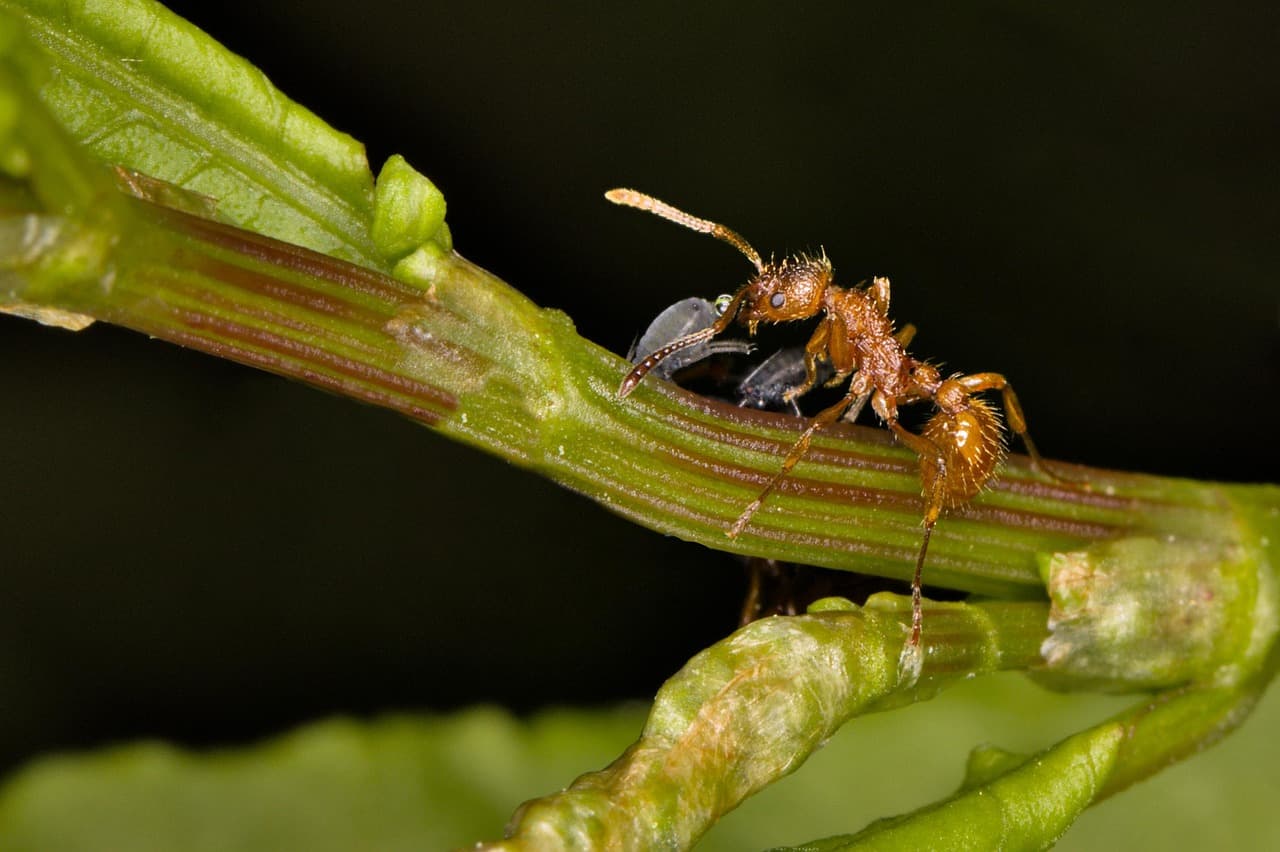
- Aphids clustering on soft new growth.
- Mosquito breeding sites in containers and standing water.
- Lace bug or scale pressure on shrubs that struggled the year before.
The first round of action is usually cleanup, monitoring, pruning out the worst material, and improving airflow or sanitation rather than assuming the biggest chemical response is the best one.
Sanitation still does real work
Keep reading — start your 7-day free trial.
Premium members read every article in full, save reading lists and project plans, and use the Backyard Project Planner with custom budgets, printable summaries, and shopping lists. Cancel any time during the trial and you pay nothing.
- Finish this article and every other guide in the library
- Save articles and project plans to your account
- Use the full Backyard Project Planner with exact budgets, printable plans, and shopping lists
- Cancel in two clicks — no charge during the trial
No comments yet. Be the first reader to add context, ask a question, or share what happened in your yard.