
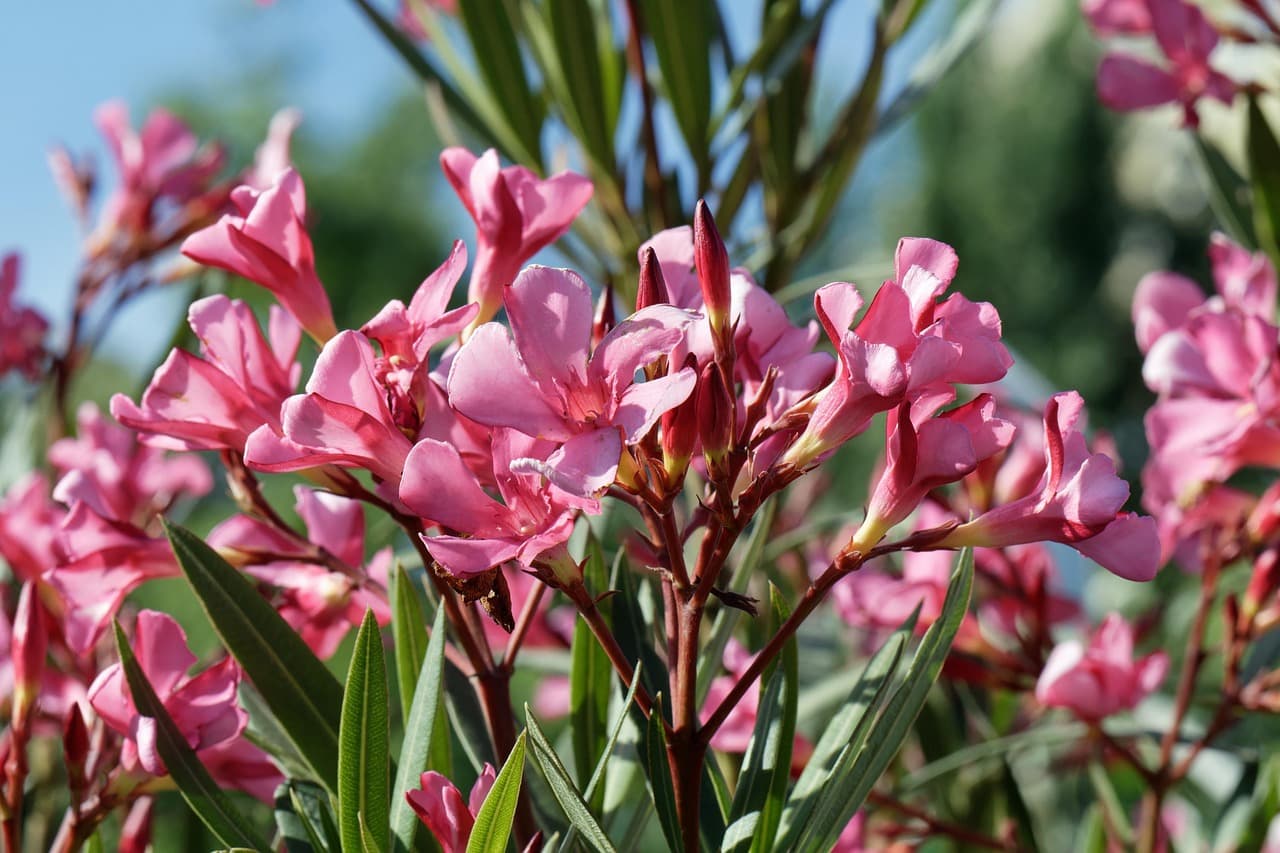
The goal of a family-friendly yard is not to become afraid of every shrub in the neighborhood. It is to know which plants deserve a little more thought before they end up beside a play area, low window, or back door that gets constant traffic.
Poison Control and pediatric guidance make the same broad point again and again: exposures happen because common plants and common routines overlap. A child reaches for berries, seeds, bulbs, or leaves because the plant is right there at eye level and nobody thought of it as a hazard.
Start with placement, not panic
Most households do not need to strip the landscape down to turf and mulch. They need smarter placement.
A plant deserves extra scrutiny if it has one or more of these traits:
- Bright berries or seeds that look snack-like.
- Large, easy-to-reach leaves in a play zone.
- Sap that can irritate skin or eyes.
- Bulbs or roots in a bed where children dig regularly.
- Branches or seed pods that drop where toddlers explore.
The same shrub can be manageable in a front foundation bed and a poor choice next to a swing set. Distance and access matter.
Common plants families often research more closely
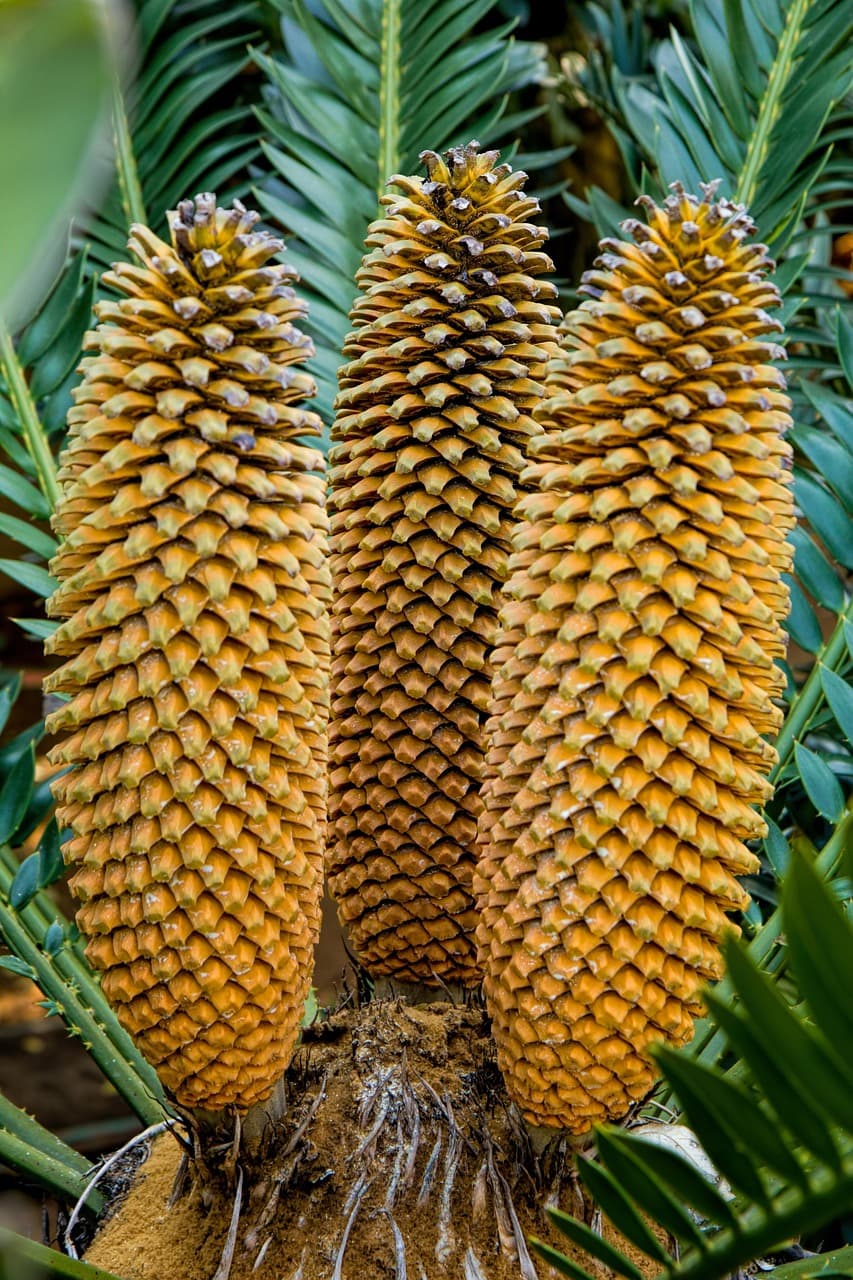
Different climates support different lists, but several landscape plants come up repeatedly in safety conversations. Oleander, castor bean, foxglove, lily-of-the-valley, autumn crocus, and some cycads are good examples of plants many families prefer not to place near high-use kid spaces.
That does not mean every contact becomes an emergency. It means these are plants worth identifying accurately before deciding where they belong. If you already have them, start by learning the exact species instead of guessing from appearance alone.
Low-effort ways to reduce risk immediately
You can make meaningful progress without redesigning the entire property.
A practical first pass:
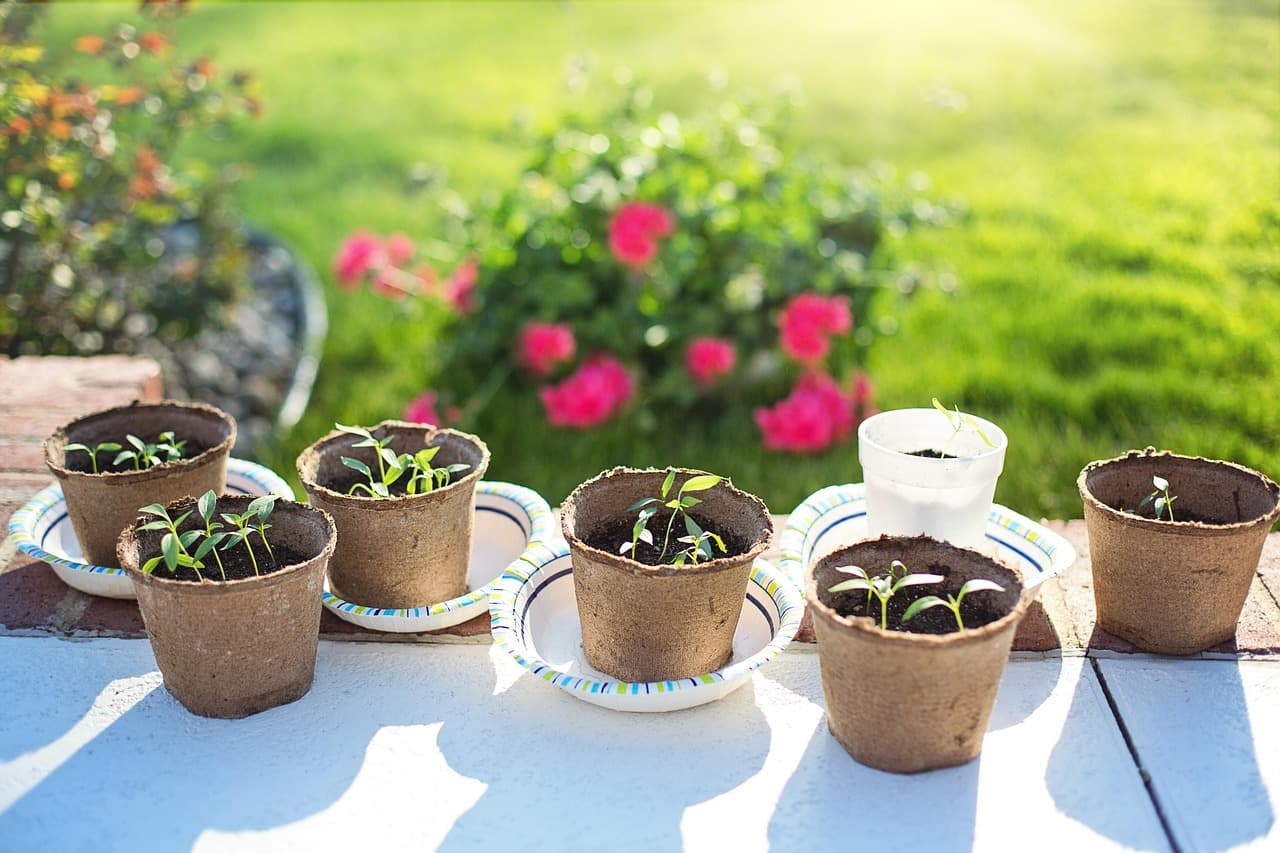
- Move potted plants with unknown toxicity away from doors and patios.
- Pick up dropped berries, pods, or seeds during active growing periods.
- Store bulbs and bagged amendments where children cannot access them.
- Add simple edging or low barriers that make a planting bed feel off-limits.
- Teach children that yard plants are for looking, not tasting.
This kind of cleanup does not replace supervision, but it lowers the odds of a preventable problem.
What to do if you do not know the plant name
Keep reading — start your 7-day free trial.
Premium members read every article in full, save reading lists and project plans, and use the Backyard Project Planner with custom budgets, printable summaries, and shopping lists. Cancel any time during the trial and you pay nothing.
- Finish this article and every other guide in the library
- Save articles and project plans to your account
- Use the full Backyard Project Planner with exact budgets, printable plans, and shopping lists
- Cancel in two clicks — no charge during the trial

No comments yet. Be the first reader to add context, ask a question, or share what happened in your yard.