
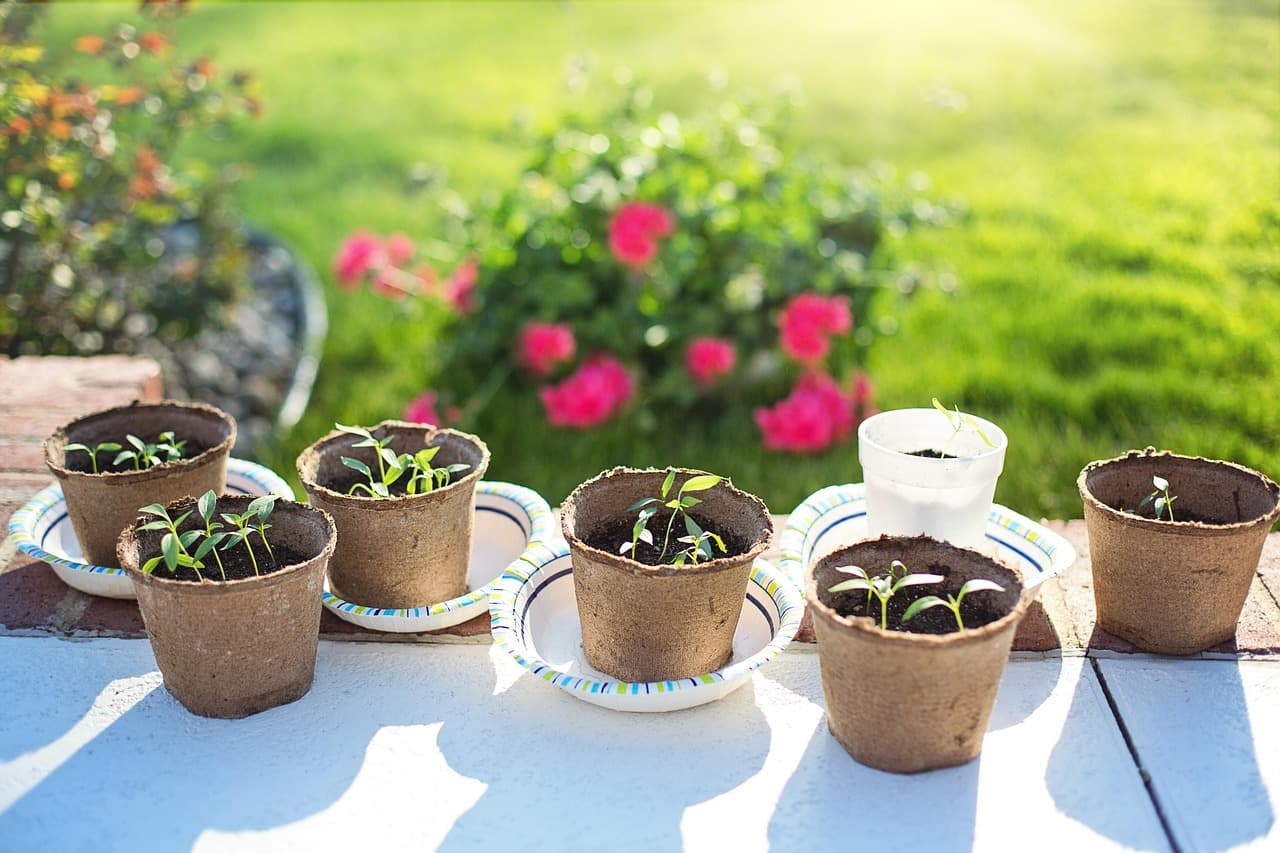
The urge to plant everything at once is one of spring's most reliable traditions. The trouble is that a warm weekend can make the season look ready before the weather has truly settled. The better guide is not excitement alone. It is frost timing, soil conditions, and the kind of crop you are planting.
USDA zone matters, but it is not the whole answer
The USDA Plant Hardiness Zone Map helps you understand winter cold tolerance for perennial plants, trees, and shrubs. It is useful, but it does not tell you the exact date to set out tomatoes or direct-sow beans. Those decisions depend more on frost timing and soil warmth than on zone labels by themselves.
That is why two gardeners in the same broad zone can still plant at different times and both be correct.
Divide spring crops into two groups
The simplest spring planting decision is separating cool-season crops from warm-season crops.
Cool-season crops usually tolerate chilly conditions better and often prefer them:
- Peas
- Spinach
- Lettuce
- Radishes
- Kale
- Arugula
Warm-season crops usually want consistently warmer nights and soil:
- Tomatoes
- Peppers
- Basil
- Cucumbers
- Squash
- Beans
A lot of spring disappointment comes from treating the second group like the first.
What to plant while frost is still possible
If your area still has a realistic frost risk, lean into cool-season work.
Good spring jobs for that window:
- Direct sow leafy greens and root crops suited to cool weather.
- Plant bare-root perennials, shrubs, and trees according to local conditions.
- Prep beds with compost and layout work for later warm-season planting.
- Start warm-season crops indoors if your climate and setup support it.
This is also a strong time to clean containers, install supports, and get irrigation or mulch plans ready.
What to delay until the season stabilizes
Warm-season transplants are where patience pays. One hot afternoon does not equal safe planting conditions for basil or tomatoes. If nights are still running cold, those crops often stall even if they survive.
Keep reading — start your 7-day free trial.
Premium members read every article in full, save reading lists and project plans, and use the Backyard Project Planner with custom budgets, printable summaries, and shopping lists. Cancel any time during the trial and you pay nothing.
- Finish this article and every other guide in the library
- Save articles and project plans to your account
- Use the full Backyard Project Planner with exact budgets, printable plans, and shopping lists
- Cancel in two clicks — no charge during the trial
No comments yet. Be the first reader to add context, ask a question, or share what happened in your yard.