
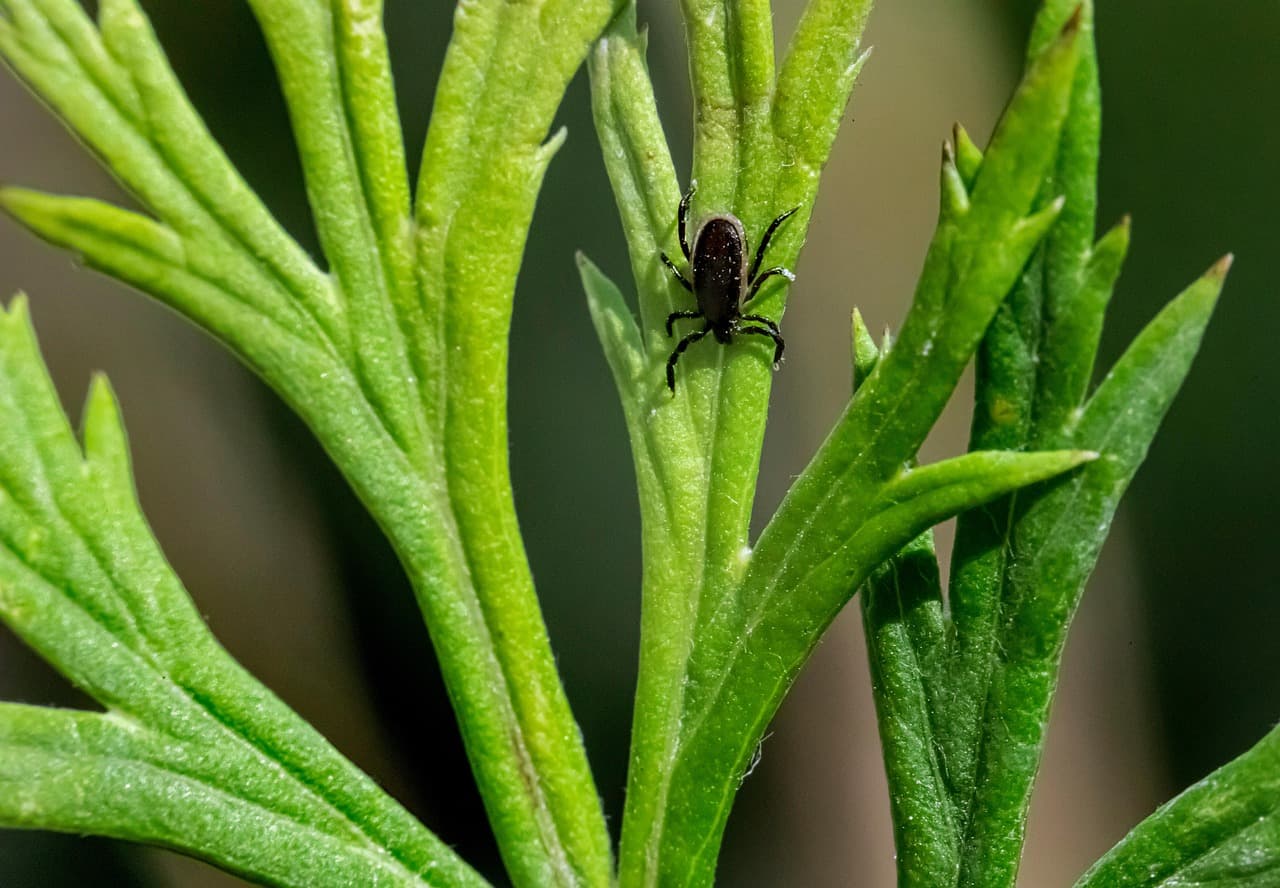
Ticks are a realistic concern in much of the United States, and they are expanding into regions that used to see fewer of them. The goal for most homeowners is not a tick-free yard, which is not realistic for most properties, but a yard that is less attractive to ticks and less likely to carry them into the spaces where people and pets spend time.
Habitat change does more of this work than most chemical treatments.
Where ticks thrive in suburban yards
Ticks prefer humid, shaded microclimates where they can wait on vegetation for a host to brush past. That means they tend to concentrate in:
- Wooded edges and tree lines.
- Leaf litter left over from fall.
- Tall, unkempt grass.
- Dense groundcover that stays damp.
- Stone walls and wood piles where small mammals nest.
Lawns kept reasonably short and open tend to have fewer ticks than wooded edges, simply because the microclimate is drier and hotter.
Creating a clear transition zone at wooded edges
One of the most consistent pieces of public health guidance for tick reduction is establishing a clear transition zone between wooded or brushy areas and the maintained part of the yard.
A simple version looks like:
- A buffer of roughly three feet or more of mulch, gravel, or wood chips along the edge of lawn where it meets woods or dense brush.
- Consistent lawn mowing and edging up to that buffer.
- Limited use of shrubs and groundcover right at the transition.
This creates a drier, hotter strip that ticks are less likely to cross casually. It is not a perfect barrier, but it meaningfully reduces drift into the lawn.
Keep play areas away from brushy edges
Where kids play, pets run, and adults gather matters more than most chemical treatments. Moving play equipment, patios, and dining areas out of heavily shaded edges reduces exposure significantly.
Practical moves include:
- Siting swing sets and trampolines in the center of open lawn, not under trees.
- Keeping patio furniture out of deeply shaded, damp corners.
- Cutting back overhanging branches that shade common gathering spots.
Small changes in placement can have a larger effect on tick encounters than a single yard spray.
Manage leaf litter and brush piles
Leaf litter is one of the best tick habitats in a typical yard. Fall cleanup is not just about curb appeal; in tick-heavy regions, it is a direct risk-reduction step.
Helpful practices:
- Clear leaf litter from high-use zones before winter.
- Keep a small compost or leaf area at the far edge of the property rather than up against the house.
- Break down brush piles that have been sitting for seasons without being used.
Small mammals nest in leaf litter and brush, and ticks often pick up their first blood meals from those hosts. Reducing habitat for the hosts reduces local tick density indirectly.
Keep reading — start your 7-day free trial.
Premium members read every article in full, save reading lists and project plans, and use the Backyard Project Planner with custom budgets, printable summaries, and shopping lists. Cancel any time during the trial and you pay nothing.
- Finish this article and every other guide in the library
- Save articles and project plans to your account
- Use the full Backyard Project Planner with exact budgets, printable plans, and shopping lists
- Cancel in two clicks — no charge during the trial


No comments yet. Be the first reader to add context, ask a question, or share what happened in your yard.