
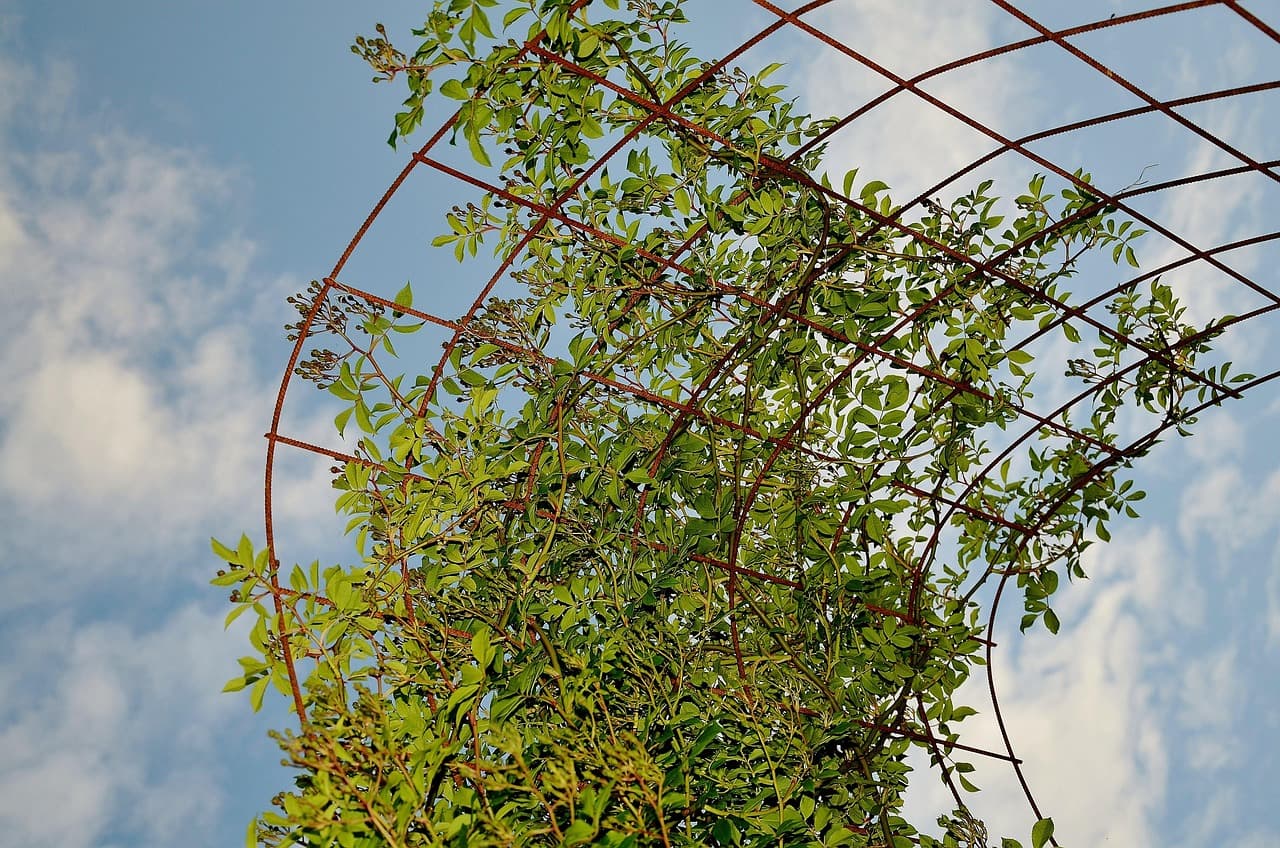
Fast-growing vines create a special kind of yard problem because they often look impressive before they look threatening. By the time a homeowner decides the growth feels excessive, the roots, rhizomes, or seed set may already have made the plant much harder to manage.
Speed is only part of the issue
The worst invasive vine problems are not defined by fast growth alone. They are defined by how the plant spreads, how easily it re-roots, and how quickly it turns edges, fences, shrubs, or neglected corners into a repeating maintenance problem.
A few habits should raise your guard early:
- It climbs and mats over nearby plants quickly.
- Cut pieces resprout or root easily.
- Underground structures or crowns keep sending growth back.
- Seed production is heavy and repeated.
- The plant is spreading from a property line, roadside, stream edge, or unmanaged lot.
That pattern is more important than any dramatic headline about exact inches per day.
Identify before you attack
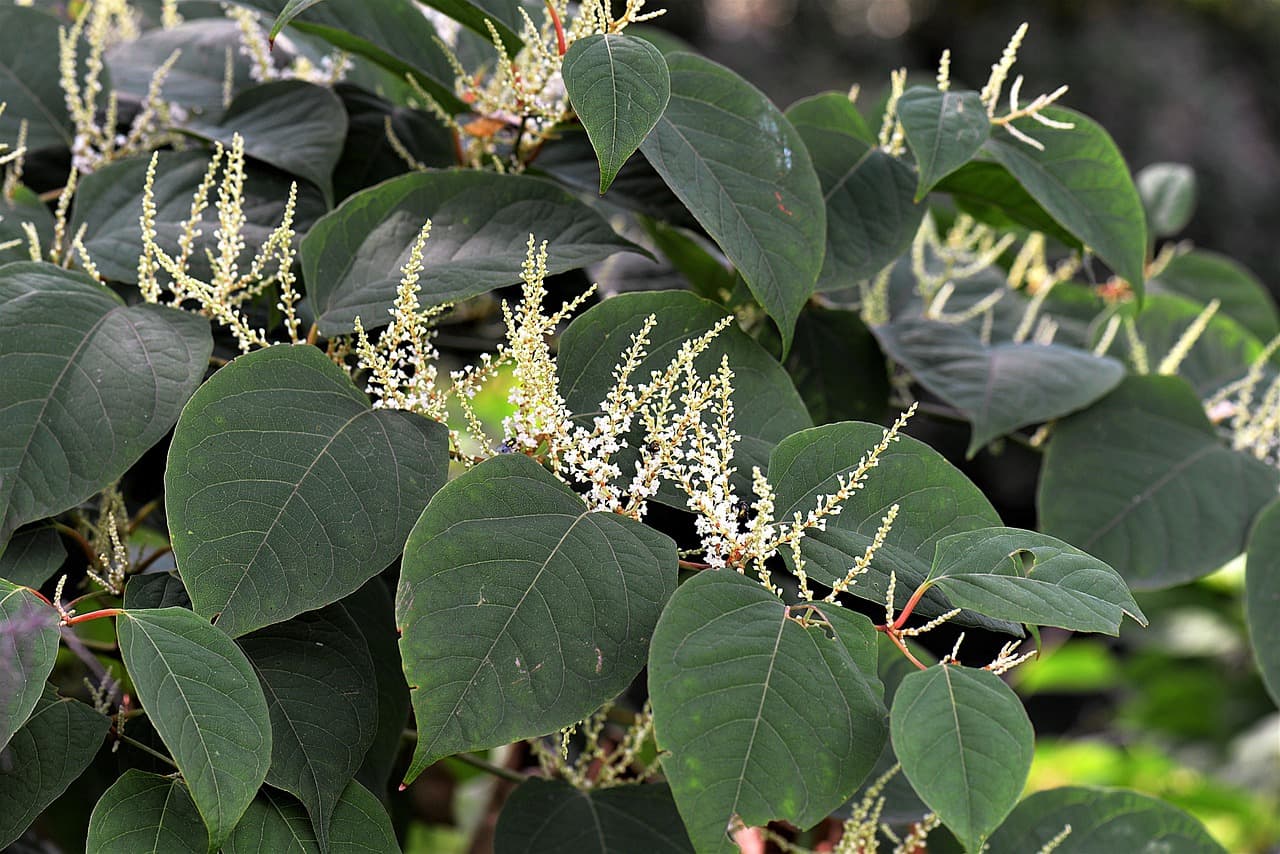
Several aggressive plants get lumped together as "that impossible vine," but management depends on what you actually have. Kudzu, Japanese knotweed, mile-a-minute vine, porcelain berry, and even some non-native honeysuckles behave differently and respond to different control strategies.
Penn State Extension, for example, notes that Japanese knotweed control focuses on eliminating the rhizome system and that cutting alone is generally not enough. That is a good reminder that effort without identification can still fail.
Why cutting alone disappoints so many people
Homeowners often start with the most satisfying move: cutting everything to the ground. That can make the site look better quickly, but it may not change the long-term outcome if the root system remains ready to push back.
Cutting is still useful when it serves a larger plan. It can improve access, reduce seed set, and prepare a site for more targeted follow-up. What it usually cannot do on its own is resolve a deeply established invasive patch.
Early containment is the real win
The easiest invasive-vine project is the one that happens before the patch matures. That may mean pulling a young plant, preventing seed production, isolating a small edge infestation, or getting a management plan in place before a whole fence line disappears under foliage.
Keep reading — start your 7-day free trial.
Premium members read every article in full, save reading lists and project plans, and use the Backyard Project Planner with custom budgets, printable summaries, and shopping lists. Cancel any time during the trial and you pay nothing.
- Finish this article and every other guide in the library
- Save articles and project plans to your account
- Use the full Backyard Project Planner with exact budgets, printable plans, and shopping lists
- Cancel in two clicks — no charge during the trial
No comments yet. Be the first reader to add context, ask a question, or share what happened in your yard.