
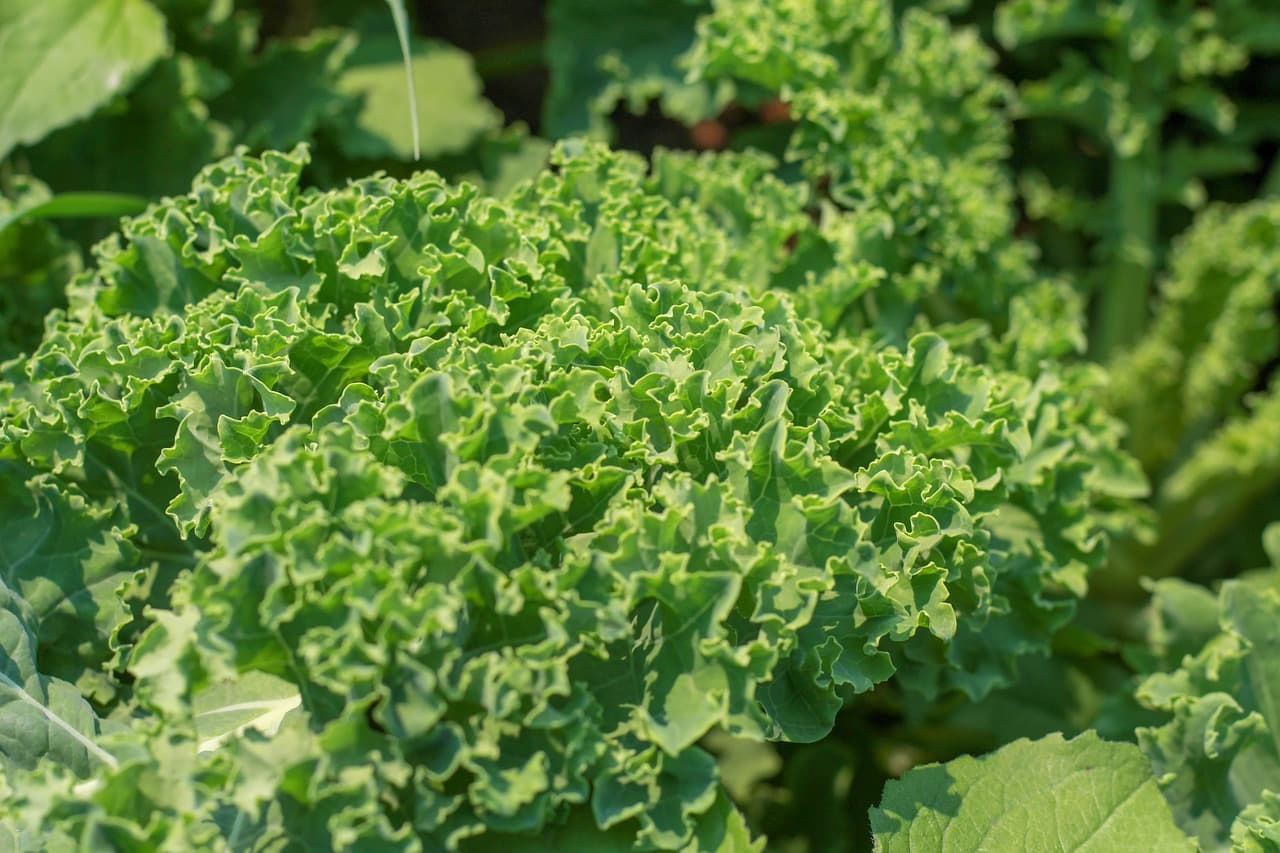
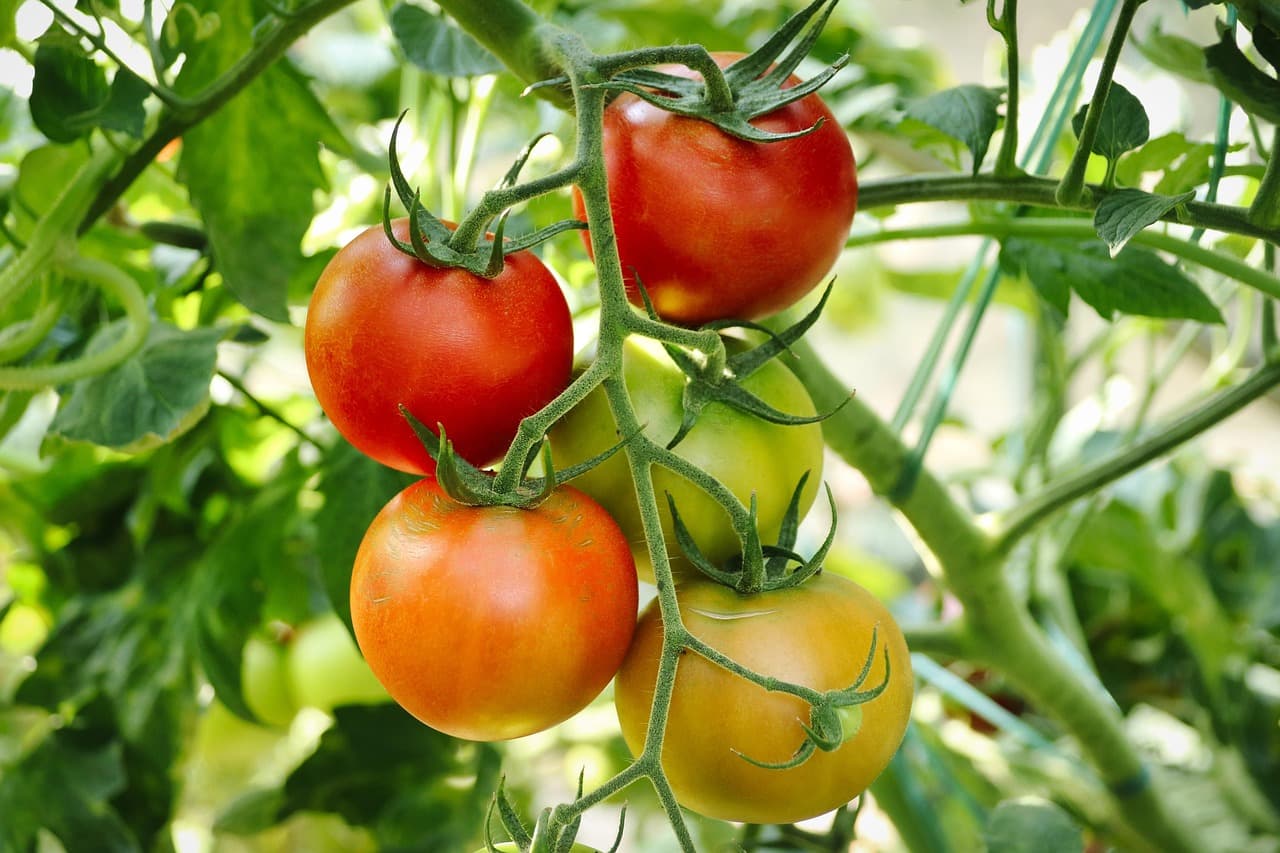
Most vegetable gardens lose their momentum in August. Tomatoes are still producing, but the spring greens are long gone, the broccoli bolted, and the rows that were full in May are looking patchy.
Fall is often the more rewarding half of a vegetable season, and it is almost entirely a planning problem. The cool-season greens that struggle in spring heat thrive when the garden starts to cool off, and many of them actually taste better after a light frost.
Count backward from your first frost, not forward from today
The reliable way to time a fall garden is to start with the expected first frost date in your area and work backward based on each crop's days to maturity.
A simple version of the math:
- Find your average first frost date.
- Add one to two weeks of buffer for shorter autumn days and cooler temperatures.
- Subtract the seed packet's days to maturity.
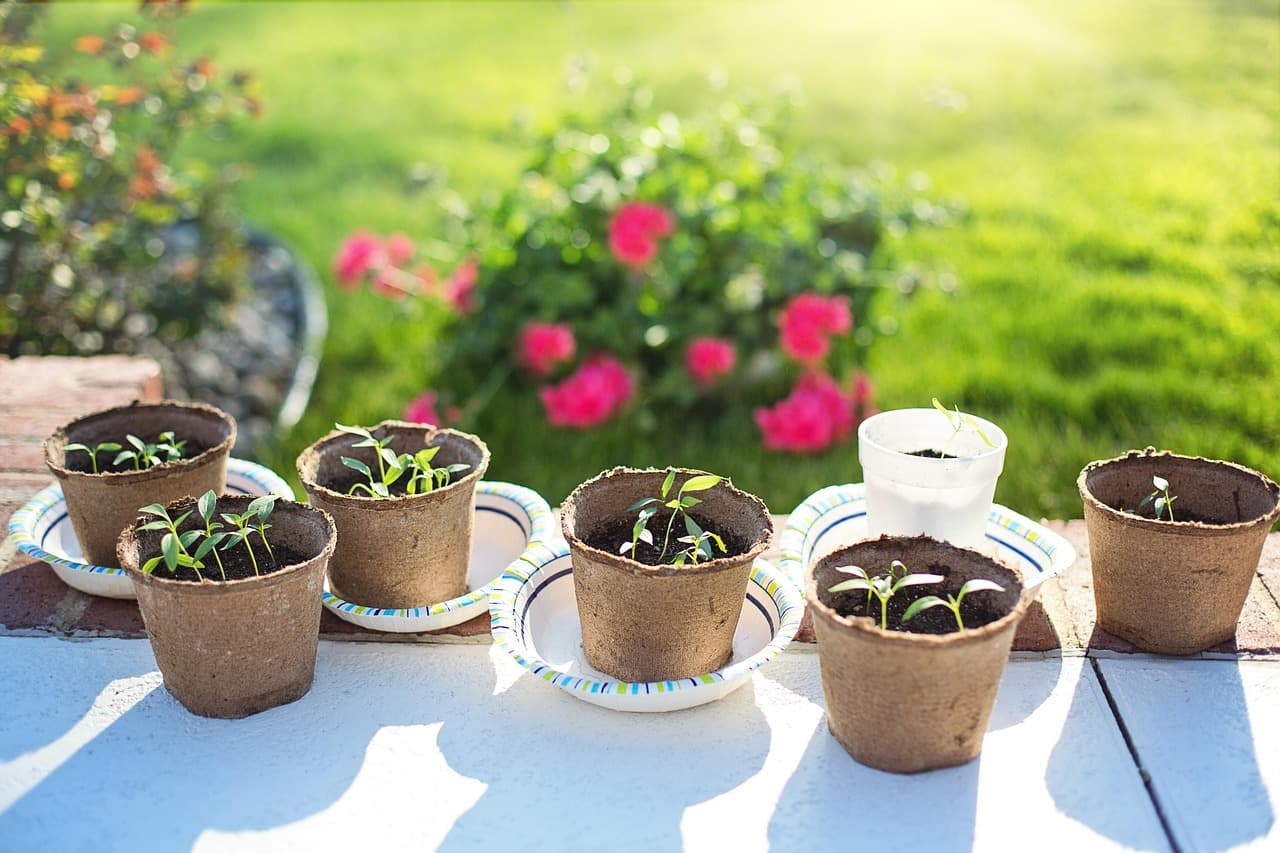
- Add a few extra days for transplant establishment if you are starting indoors.
That gives you a reasonable planting window. The number of days on seed packets assumes peak summer growing conditions, and fall growth is slower, so a conservative planting date makes a real difference.
Crops that genuinely thrive in cool fall weather
Some plants simply perform better in the second half of the season.
Reliable fall greens include:
- Kale.
- Collards.
- Spinach.
- Arugula.
- Asian greens like bok choy and tatsoi.
- Mustard greens.
- Swiss chard, which often holds through early cold.
- Many lettuce varieties bred for cool conditions.
These plants sweeten in cool weather. A light frost can actually improve flavor in kale, collards, and some spinaches by concentrating sugars in the leaves.
Root crops to plant for fall harvest
Beyond greens, several root crops do well planted mid- to late summer:
- Beets.
- Carrots.
- Turnips.
- Radishes, which grow quickly enough to tuck into almost any small gap.
- Rutabagas in regions with long enough fall windows.
These generally need to reach useful size before soil temperatures drop too low, but once they are there, many hold well in the ground for weeks.
Brassicas need more runway than you think
Cabbage, broccoli, and Brussels sprouts are classic fall crops, but they need meaningful time in the ground. Depending on variety, that can mean seeding indoors in early to mid-summer, transplanting out in August, and harvesting into late fall or early winter in milder climates.
If you are new to fall brassicas, starting with a transplant from a reputable local grower is a reasonable shortcut. By the time the spring-planted beds are winding down, those starts are usually available.
Soil prep matters more in late summer than it looks
By late summer, beds that produced spring and early summer crops are often tired. Simply throwing fall seeds into that worn ground tends to produce weak plants.
Keep reading — start your 7-day free trial.
Premium members read every article in full, save reading lists and project plans, and use the Backyard Project Planner with custom budgets, printable summaries, and shopping lists. Cancel any time during the trial and you pay nothing.
- Finish this article and every other guide in the library
- Save articles and project plans to your account
- Use the full Backyard Project Planner with exact budgets, printable plans, and shopping lists
- Cancel in two clicks — no charge during the trial
No comments yet. Be the first reader to add context, ask a question, or share what happened in your yard.