
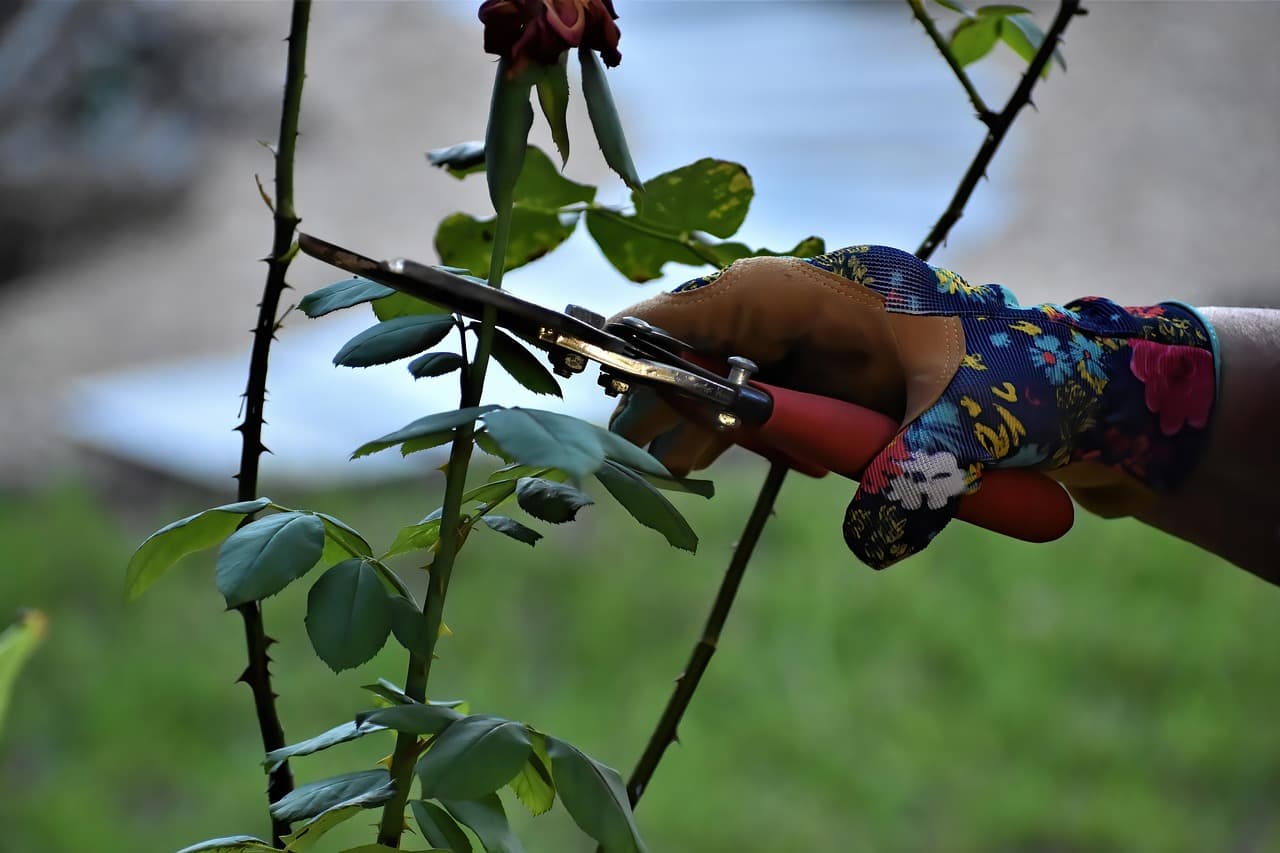
A lot of rose frustration starts with the same habit: trimming the outside of the plant while leaving the crowded interior untouched. It feels productive because the shrub gets shorter, but the basic shape stays congested. Airflow stays poor. Thin stems keep competing. The plant looks busy instead of strong.
The goal is not just smaller roses
Pruning is really about structure. You are deciding which canes deserve the plant's energy and which ones are crossing, rubbing, weak, dead, or poorly placed. Once you understand that, pruning becomes much less mysterious.
For many landscape roses and hybrid teas, the spring job includes:
- Removing dead or damaged wood.
- Cutting out weak interior growth.
- Opening the center enough for light and airflow.
- Shortening strong canes to encourage fresh growth.
- Cleaning up crossing stems before they become a chronic problem.
The exact timing depends on climate and rose type, but the structural principle stays the same.
The common mistake: exterior shearing
If you clip the outer shell of the shrub and stop there, you create a neat outline on top of a messy framework. That can leave roses dense on the outside and starved on the inside.
Warning signs that this is happening:
- Lots of thin stems in the center of the plant.
- Blooms concentrated only on the outer edge.
- Persistent mildew or black spot pressure because air does not move well.
- A shrub that gets bigger every year without looking healthier.
This is why many gardeners feel like they are pruning regularly but never improving the plant.
How to make the first cuts count
Start by stepping back and looking for the strongest framework canes. Then remove what clearly does not belong.
A useful order:
- Dead, diseased, or broken wood comes out first.
- Canes that cross and rub come out next.
- Thin, weak interior stems are reduced or removed.
- The remaining strong canes are cut to outward-facing buds where appropriate.
That sequence prevents random clipping. Each cut makes the next decision easier.
Keep reading — start your 7-day free trial.
Premium members read every article in full, save reading lists and project plans, and use the Backyard Project Planner with custom budgets, printable summaries, and shopping lists. Cancel any time during the trial and you pay nothing.
- Finish this article and every other guide in the library
- Save articles and project plans to your account
- Use the full Backyard Project Planner with exact budgets, printable plans, and shopping lists
- Cancel in two clicks — no charge during the trial
No comments yet. Be the first reader to add context, ask a question, or share what happened in your yard.