
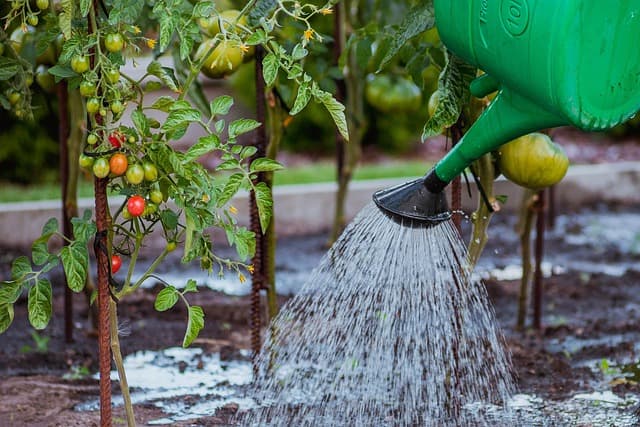
Heat waves expose watering habits. A garden that has been getting shallow daily sprays will wilt first. A garden that has been trained to send roots deep will often hold up remarkably well, even in the worst weeks of July or August.
A few simple adjustments before and during extended heat keep vegetable beds producing rather than simply surviving.
Depth matters more than frequency
Most vegetable crops do best with deep, consistent watering. The goal is to wet the soil far enough down that roots follow the moisture and anchor themselves below the stressed surface zone.
A useful target for most in-ground and raised beds:
- Enough water that the top six inches of soil are thoroughly moistened.
- A cadence that lets the surface dry slightly between waterings.
- Early morning watering when possible, to give foliage time to dry before evening.
This sounds simple, but it takes real volume in hot weather. Shallow, five-minute sprays are one of the most common reasons beds crash in extended heat.
Mulch is half the job
A steady two to three inch mulch layer on vegetable beds dramatically reduces how much water is lost to evaporation. It also moderates soil temperature, which keeps roots comfortable during heat spells.
Good mulch options for vegetables include straw, shredded leaves, finished compost, or an aged wood chip that does not pull nitrogen from the surface.
Avoid piling mulch directly against plant stems and keep it thin around small seedlings so they are not smothered. The goal is even coverage on exposed soil, not a heavy cone around each plant.
Drip and soaker systems are especially useful in heat
Overhead watering is fine in many situations, but it becomes less efficient in heat. A lot of water evaporates on contact, and wet foliage in hot humid conditions can encourage disease.
Drip irrigation and soaker hoses deliver water directly to the soil, which is where you want it. They also make it easier to water early in the day without standing outside with a hose.
Even a simple timer paired with a basic drip kit can completely change how predictable a vegetable bed becomes during a hot stretch.
Watch specific crops for specific stress signals
Different vegetables tell you they are stressed in different ways.
- Cucumbers and squash wilt dramatically in heat even when soil is adequately moist, then recover by evening. The real signal is how they look in the morning, not in the afternoon.
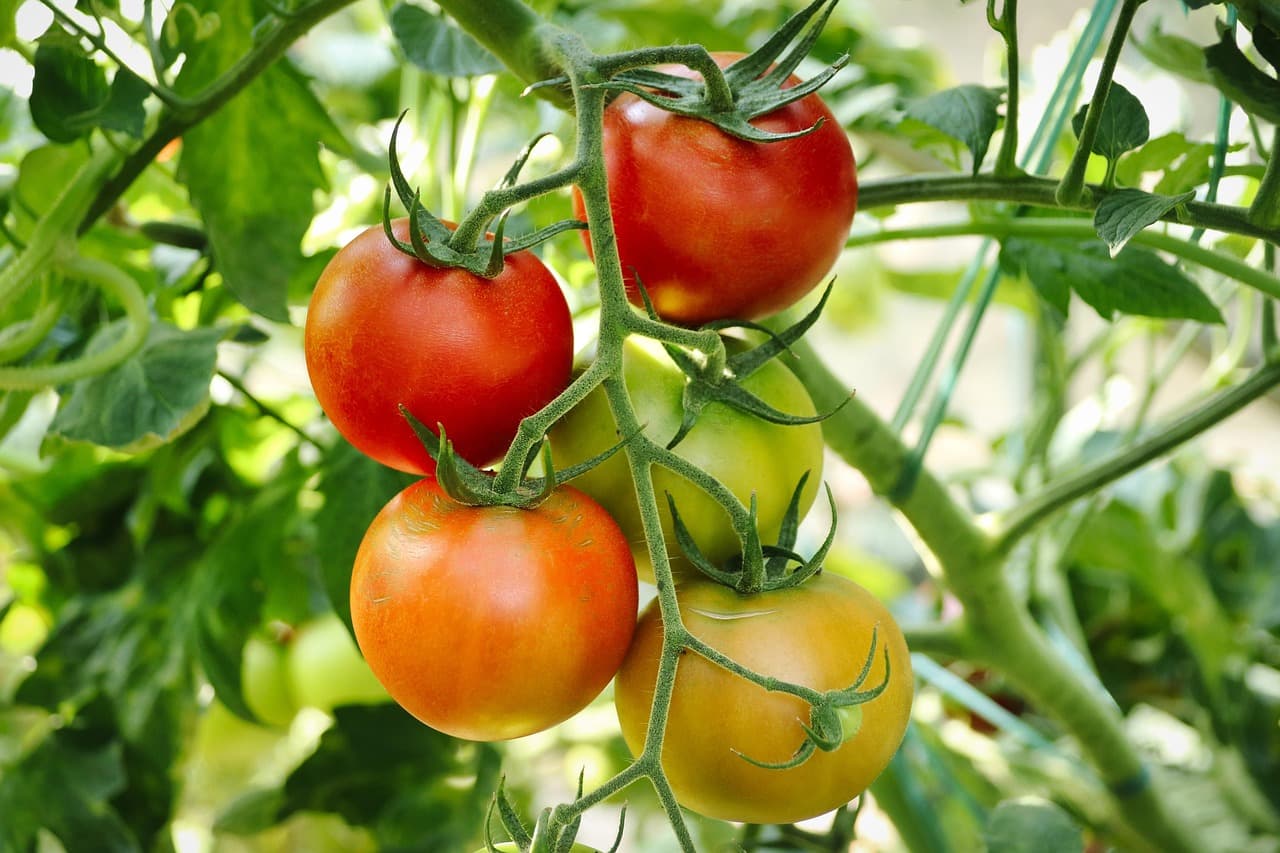
- Tomatoes crack when soil moisture swings between very dry and very wet. Consistency matters more than volume.
- Lettuce and other cool-season greens bolt and turn bitter under heat no matter how you water them.
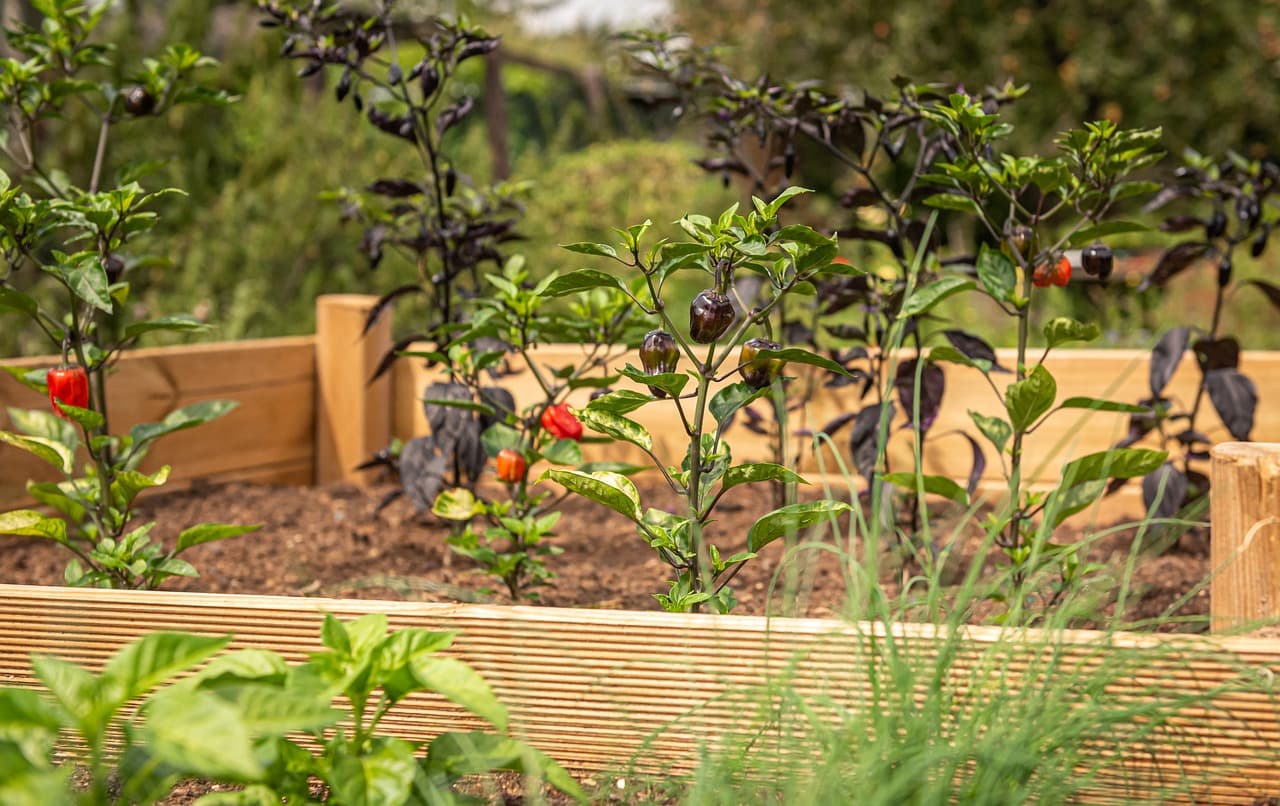
- Peppers drop flowers during extreme heat. That is usually a response to air temperature, not a sign to drown them.
Reading these signals correctly saves a lot of unnecessary watering.
Keep reading — start your 7-day free trial.
Premium members read every article in full, save reading lists and project plans, and use the Backyard Project Planner with custom budgets, printable summaries, and shopping lists. Cancel any time during the trial and you pay nothing.
- Finish this article and every other guide in the library
- Save articles and project plans to your account
- Use the full Backyard Project Planner with exact budgets, printable plans, and shopping lists
- Cancel in two clicks — no charge during the trial
No comments yet. Be the first reader to add context, ask a question, or share what happened in your yard.